What Is Body Oil?
Body oil is a lightweight, fast-absorbing moisturizer made mostly of plant oils rather than water. Unlike a traditional lotion, which is an emulsion of water and oil, body oil skips the water entirely, which is part of why it tends to absorb quickly and leave a silky, non-greasy finish instead of sitting on top of skin.
Why Body Oil Has Made a Comeback
Body oil isn't new. People have used plant oils on skin for centuries, but it fell out of favor for a while as lotions and creams took over the moisturizer aisle. It's made a comeback recently as more people look for simpler routines built around fewer, more concentrated ingredients rather than long lists of fillers. Curious how it stacks up against lotion and body butter? We break that down in a separate side-by-side comparison.
How to Use Body Oil
- Apply right after a shower or bath, while skin is still slightly damp. This helps the oil spread easily and lock in extra moisture.
- Warm a small amount between your palms, then massage into skin using long, smooth strokes.
- Focus on drier areas like elbows, knees, and shins, or use all over for an all-day silky feel.
What's In Our Body Oil
Every scent in our Herbal Body Oil line is built on the same base blend:
- Calendula and comfrey leaf extract are traditional calming botanicals, commonly used in skincare to help soothe irritated or dry skin.
- Apricot kernel oil and jojoba oil are lightweight carrier oils that absorb quickly without leaving a heavy film.
- Fractionated coconut oil, sunflower seed oil, and avocado oil round out the blend for a soft, silky finish.
- Vitamin E is added as an antioxidant to help the oil blend hold up over time.
Each scent is lightly finished with a gentle, non-toxic fragrance layered on top of that same calendula and comfrey base. Want the full ingredient-by-ingredient breakdown? We go deeper on that in our calendula oil deep dive.
Why People Reach for Body Oil
Body oil layers well under clothing without feeling heavy, can double as a light massage oil, and a little goes a long way.
Try It
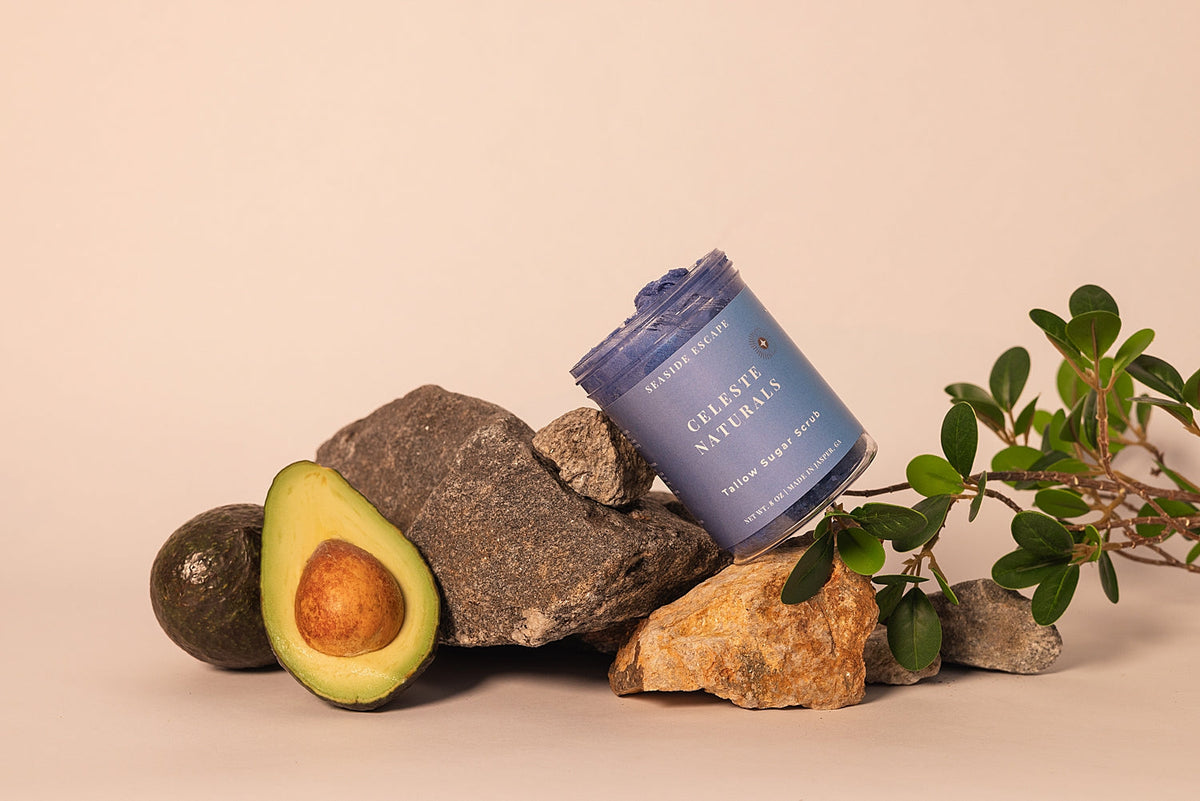
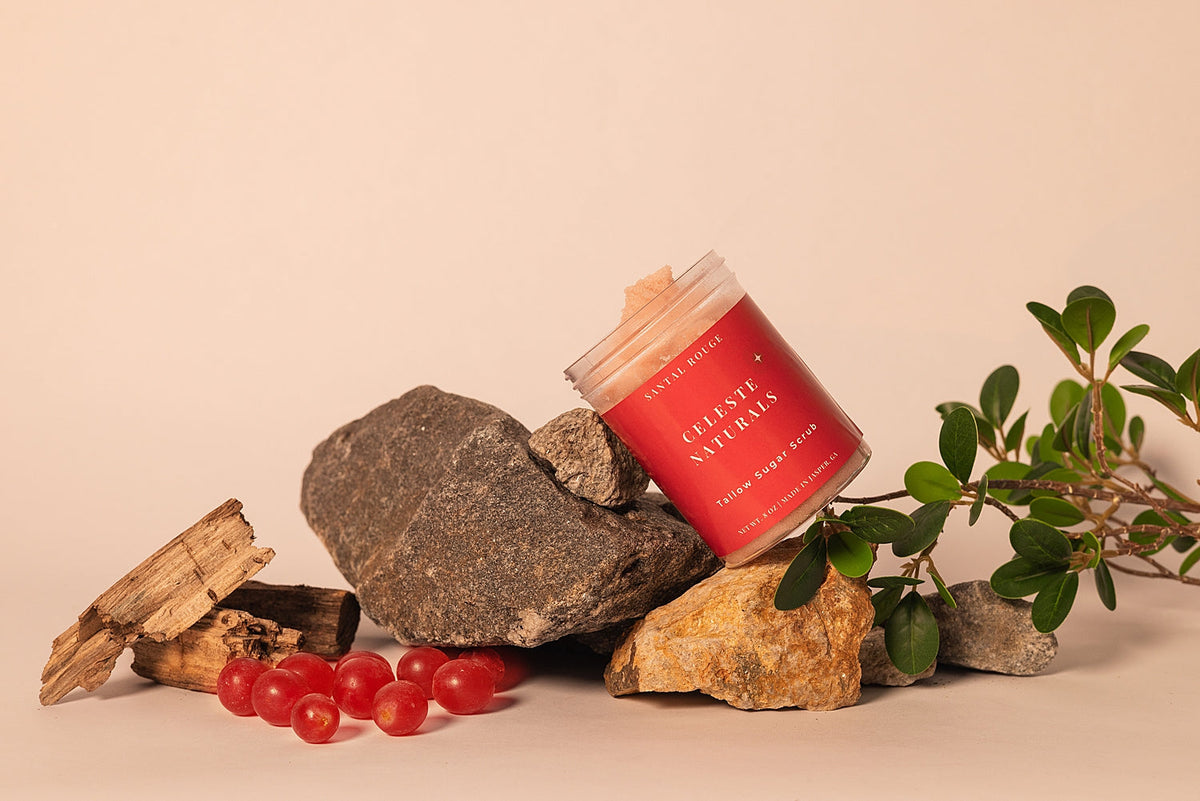
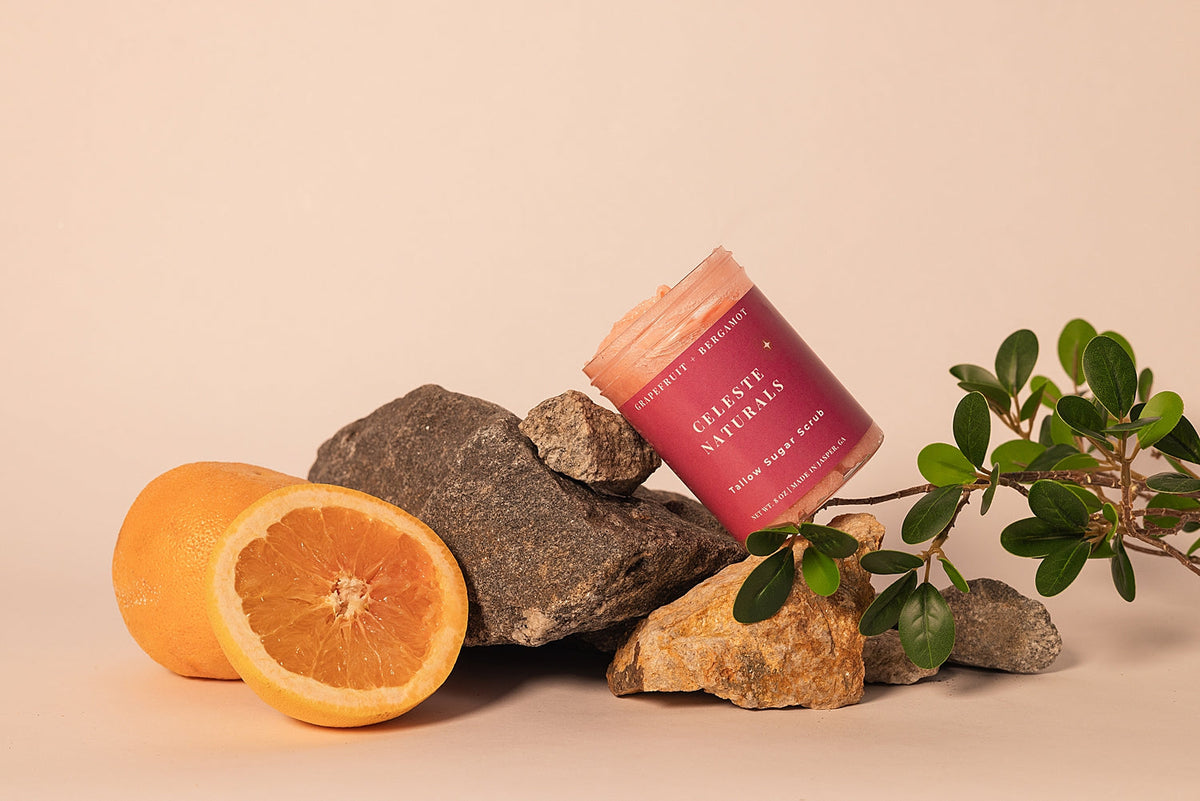
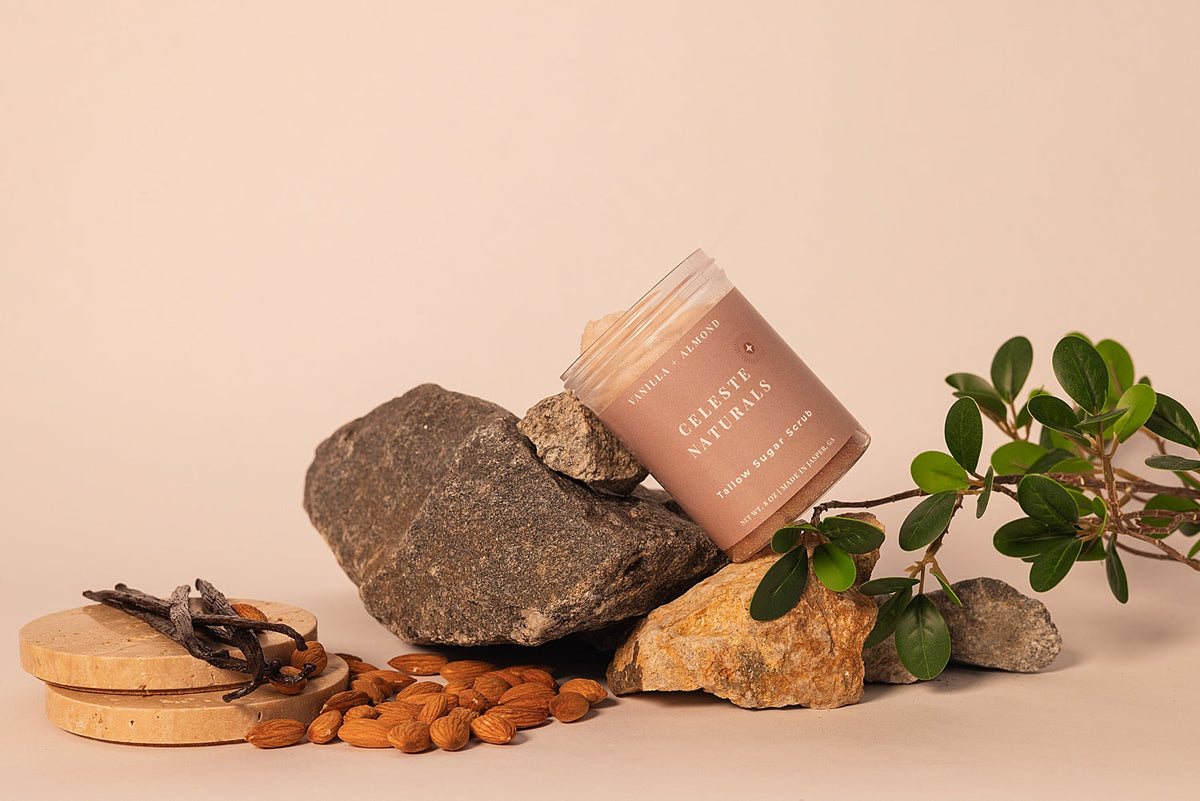
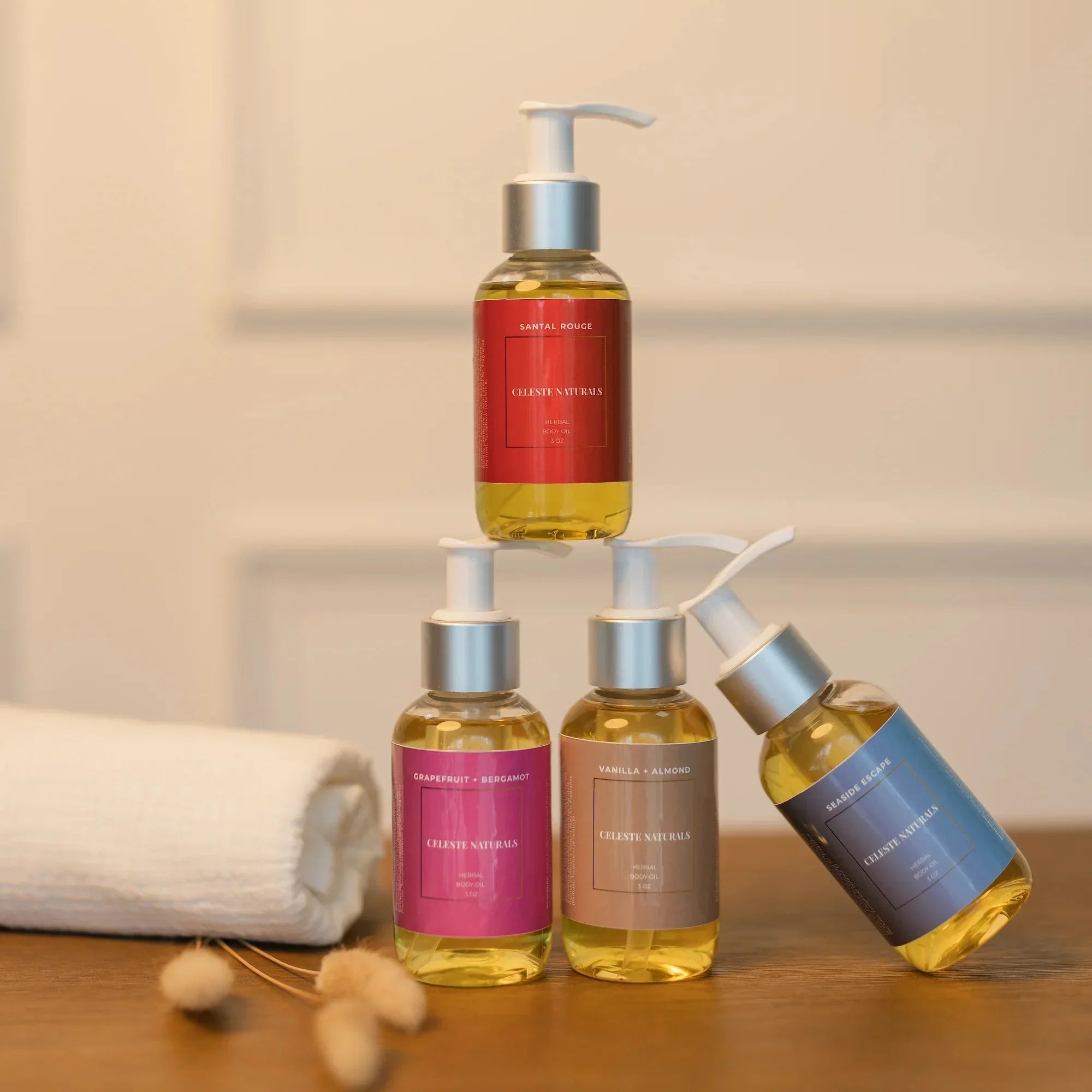
Our Grapefruit + Bergamot Herbal Body Oil is bright and citrusy, a good pick for mornings. Santal Rouge Herbal Body Oil leans warm and sensual, better suited to evenings. Seaside Escape is crisp and coastal, and Vanilla + Almond is warm and comforting. Browse the full lineup in our body oil collection.
Frequently Asked Questions About Body Oil
Can body oil clog pores?
It depends on the oils used. Our blend leans on lightweight, fast-absorbing oils like jojoba and fractionated coconut oil, which are commonly chosen in skincare because they're less likely to sit on top of skin than heavier oils.
Is body oil good for oily skin?
Yes, somewhat counterintuitively. A lightweight oil can help balance oily skin, since stripping away too much moisture can prompt skin to produce even more oil. Start with a small amount and see how your skin responds.
How often should I use body oil?
Most people get the best results applying it daily, right after a shower while skin is still damp, though it's fine to use it only on drier days or drier spots if that's all your skin needs.
What's the best time to apply body oil?
Most people get the most out of it right after a shower or bath, while skin is still slightly damp, since the oil spreads more easily and helps lock in extra moisture. Some prefer applying at night so it has time to fully absorb before getting dressed, while others like a quick morning application under clothing.
Can body oil replace lotion completely?
For a lot of people, yes, though it depends on your skin. If you have very dry skin or live somewhere cold and dry, you might prefer layering a heavier body butter or lotion bar over the oil for extra staying power.
Can body oil be used as a massage oil?
Yes. Because it's lightweight and absorbs at a moderate pace, our Herbal Body Oil works well as a light massage oil, though a heavier, slower-absorbing oil gives more glide time for a longer massage.
Will body oil stain clothing or sheets?
Give it a minute to fully absorb before getting dressed or getting into bed. Applying a reasonable amount to damp skin, rather than soaking it on, goes a long way toward avoiding transfer.