What's Actually in Mass-Market Soap
Many drugstore "soap" bars are technically detergent bars, formulated with synthetic cleansing agents and stripped of the natural glycerin that soap-making normally produces. That glycerin is often sold off separately for use in lotions, leaving the bar itself more drying than it needs to be.
What's Different About Handmade Soap
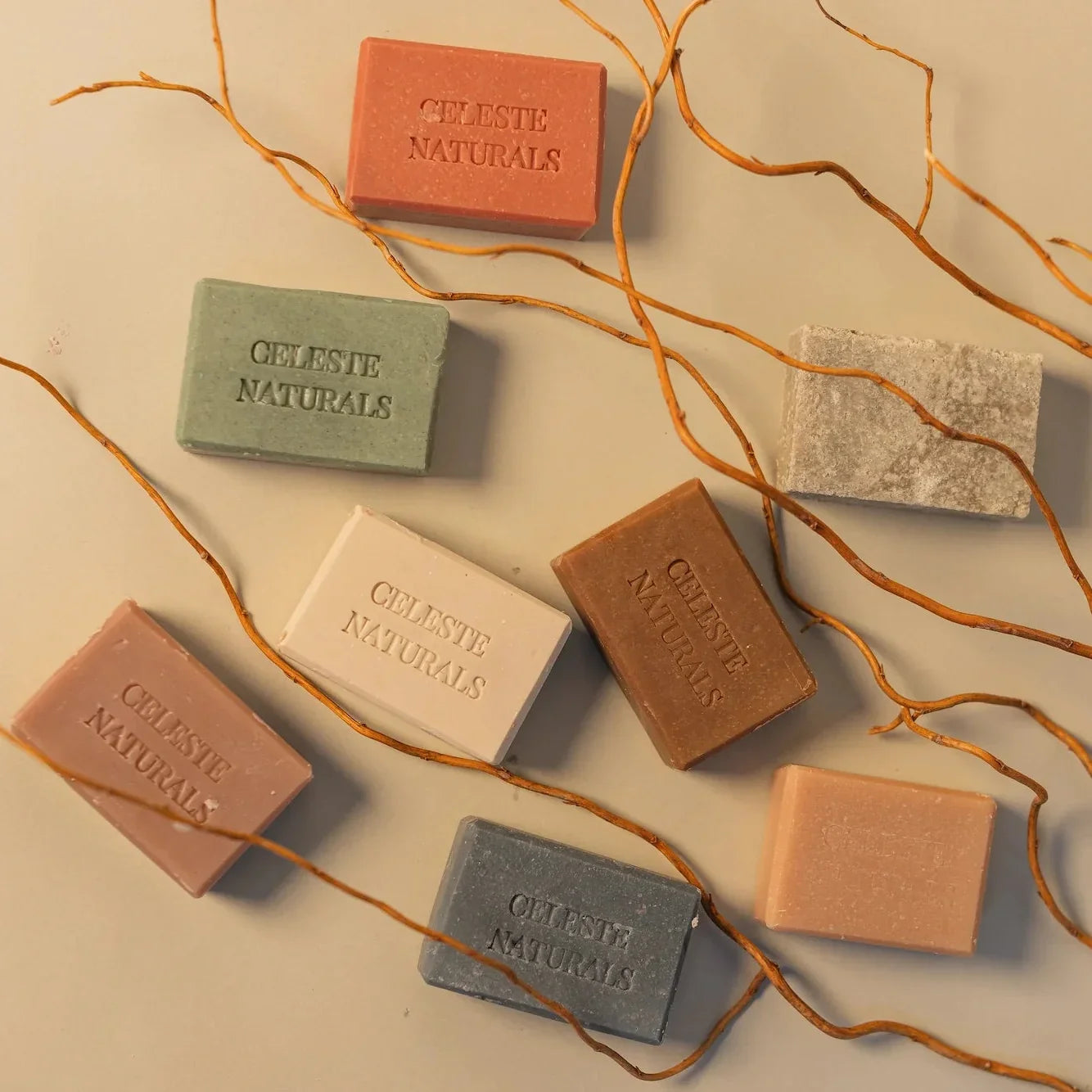
Small-batch handmade soap is typically made the traditional way, combining oils and fats with lye through saponification, a process that naturally retains glycerin in the final bar, which helps the soap moisturize as it cleans rather than stripping skin dry.
Simpler Ingredient Lists
Handmade soap makers tend to use recognizable ingredients, oils like olive, coconut, and shea butter, plus natural additives like clays, oats, or milk, rather than long lists of synthetic fillers and detergents.
Small Batches, More Control
Making soap in small batches means more attention to each one. Ingredients, scent, and texture can be adjusted and refined in a way that's harder to do at mass-market scale.
What to Look For
If you're comparing bars, check the ingredient list: real oils and butters near the top are a good sign, while a long list of unrecognizable synthetic ingredients usually means a more stripped-down, detergent-based bar.
Try Ours
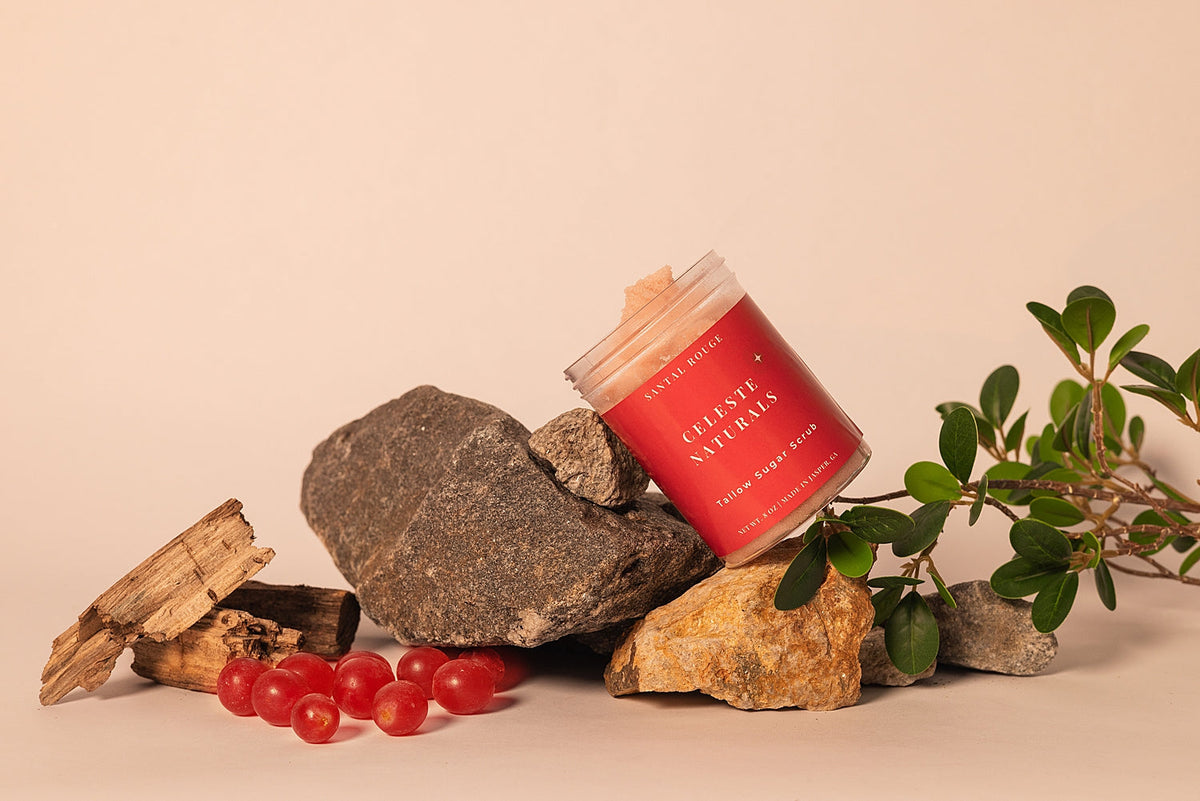
Our bars are made in small batches with goat milk or grass-fed tallow, olive oil, and shea butter. Start with Lavender + Oat Goat Milk Soap or Santal Rouge Tallow Soap, or browse the full lineup in our soap collection.
Frequently Asked Questions About Handmade Soap
Is handmade soap more expensive than store-bought?
Usually, yes, since small-batch production and higher-quality oils cost more than mass-market detergent bars. Many people find the trade-off worth it for a bar that moisturizes rather than strips skin.
Does handmade soap last as long as a store-bought bar?
It depends on the recipe. Bars with a higher percentage of hard oils and butters, like our tallow-based bars, tend to hold up well in the shower, comparable to or better than a typical drugstore bar.
Is all handmade soap natural?
Not necessarily. Some handmade soap makers use synthetic fragrance, colorants, or additives too. The best way to know what's really in a bar is to check the ingredient list rather than assume based on how it's marketed.
Why does handmade soap sometimes cost more per bar?
Small-batch production, higher-quality oils, and more time spent on each batch all add cost compared to soap made at industrial scale.
Can handmade soap be used on the face?
Some can, though it depends on the recipe. Bars formulated with a gentler oil balance, like our face-and-body soaps, are a better fit for facial skin than a bar built purely for heavy-duty body cleansing.