What Is Tallow Soap?
Tallow soap starts with rendered grass-fed beef fat, tallow, blended with plant oils like olive, coconut, and castor to round out the bar's lather and feel. Tallow itself is an old-fashioned ingredient that's making a comeback for one simple reason: it works remarkably well on skin.
A Brief History of Tallow Soap
Before commercial soap making leaned on palm oil and synthetic surfactants, tallow was one of the most common soap bases across Europe and early America, prized for being both affordable and effective. Households rendered leftover fat from cooking and combined it with lye to make bars that lasted through a long, harsh winter. As vegetable oil soaps became cheaper and more widely marketed through the 20th century, tallow fell out of fashion, seen as old-fashioned rather than as a quality ingredient. It's only in the last several years, as more people look for simpler, less processed skincare, that tallow has found its way back into small-batch soap making.
Tallow Soap Ingredients: What's Really in the Bar
Every oil in a soap recipe contributes something different, and ours is no exception. All of our tallow bars are built on the same base blend:
- Grass-fed tallow gives the bar its moisturizing quality. Its fat structure is close to the skin's own oils, which is part of why it absorbs so readily.
- Olive oil adds mildness and helps the bar condition skin rather than just clean it.
- Coconut oil brings a big, bubbly lather and helps the bar clean thoroughly.
- Castor oil boosts and stabilizes the lather, giving it a creamier texture that holds up in the shower.
Together, these oils balance each other. Tallow and olive oil moisturize, while coconut and castor oil bring the cleansing and lather that a bar made purely from tallow would lack. From there, each bar gets its own added extras, like clay, aloe, or kelp, to round out the scent and finish.
Why Is Tallow Soap So Moisturizing?
Tallow's fat composition is often compared to the skin's own natural oils, and many soapmakers say that's part of why it absorbs easily and leaves skin feeling nourished rather than stripped, even after cleansing.
Benefits of Tallow Soap
- Deeply moisturizing: great for dry or sensitive skin, including face and body.
- Simple ingredient list: no synthetic detergents needed to get a good lather.
- Gentle cleansing: cleans without over-drying, unlike many commercial bars.
- Long-lasting: tallow-based bars are typically harder bars that tend to hold up well in the shower.
Who Is Tallow Soap Good For?
If you deal with dry patches, tight skin after showering, or sensitive skin that reacts to harsh fragrances or detergents, tallow soap is worth trying. All of our bars are scented with gentle, non-toxic fragrance blends rather than anything harsh.
Try Our Tallow Soaps
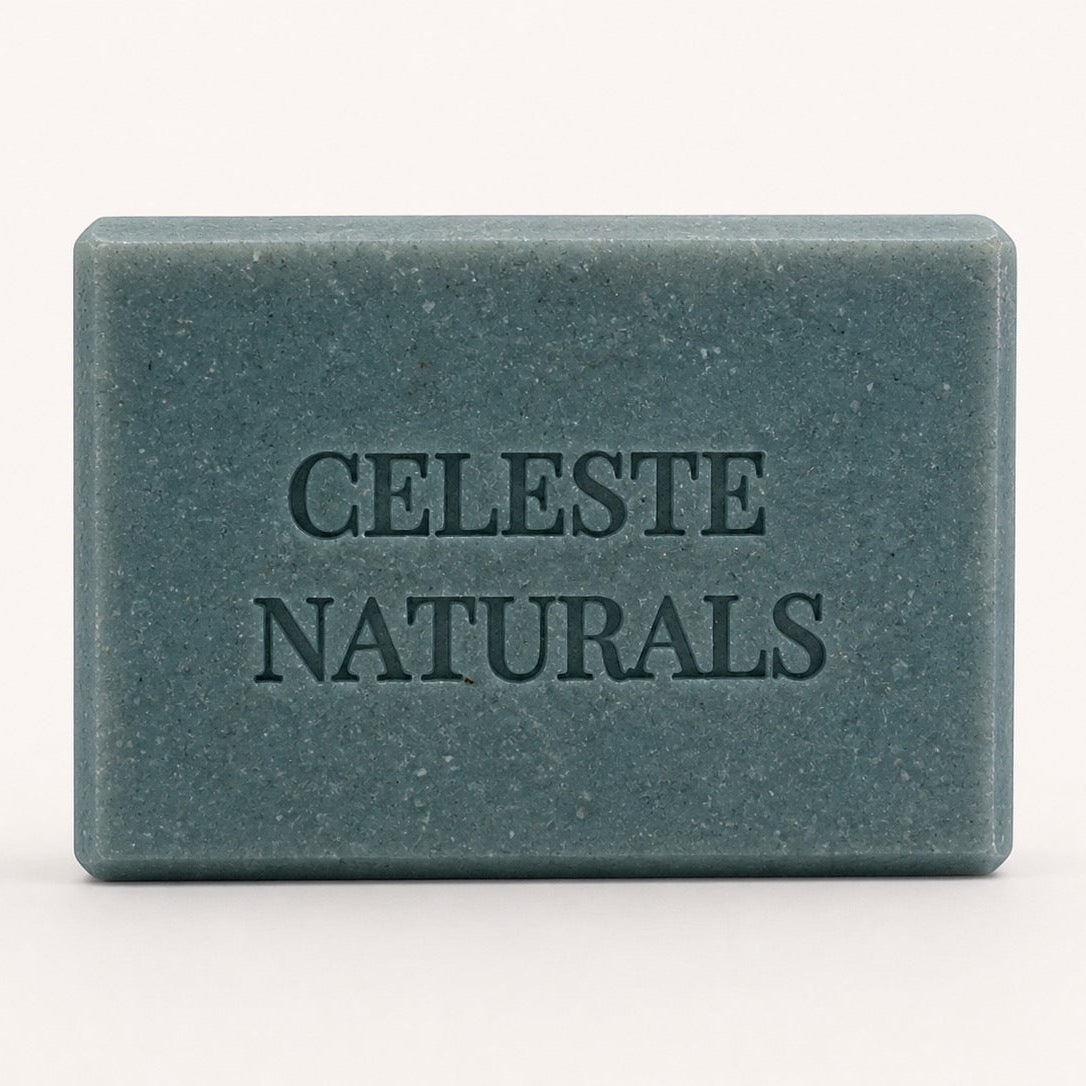
Our Santal Rouge Tallow Soap pairs the tallow, olive, coconut, and castor base with pink French clay for a warm, creamy bar suited to sensitive or mature skin. Our Seaside Escape Tallow Soap uses the same base with aloe, French green clay, and kelp for a mineral-rich, ocean-inspired finish. Our Vanilla + Almond Tallow Soap adds kaolin clay for a warm, comforting bar, while our Grapefruit + Bergamot Tallow Soap uses rose kaolin clay for a bright, uplifting option. Our Farm to Table Unscented bar adds goat milk, colloidal oats, and honey to the same base for an extra-gentle, fragrance-free option. Pair any of them with our Unscented Tallow Lotion Bar for extra moisture, or browse the full tallow soap collection.
Frequently Asked Questions About Tallow Soap
Is tallow soap vegan?
No. Tallow soap is made with rendered animal fat, so it isn't a vegan product.
Is tallow good for skin?
Yes, tallow is widely regarded as a skin-friendly ingredient. Its fatty acid profile is close to the skin's own natural oils, which is part of why it absorbs well and can leave skin feeling nourished rather than greasy, whether tallow shows up in a soap, a balm, or a straight skincare product.
Is tallow bad for skin?
For most people, no. Some worry about pore-clogging since tallow is an animal fat, but in a soap bar it's combined with lye during saponification, so it isn't sitting on skin as a raw fat the way it would in a balm. As with any ingredient, a small number of people may find any oil or fat doesn't agree with their particular skin, so patch testing is always a good idea.
Can I use tallow soap on my face?
Yes, though it depends on the maker. Soaps that are too high in cleansing oils like coconut oil can strip and dry out facial skin, but ours use just enough to cleanse without stripping, so that's not a concern here. Santal Rouge, Seaside Escape, Vanilla + Almond, and Grapefruit + Bergamot are all formulated for face and body, and their gentle, moisturizing base makes them a good option for facial skin, especially if it's dry or sensitive. As with any new product, patch test on a small area first.
Does tallow soap have a scent?
It depends on the bar. Santal Rouge, Seaside Escape, Vanilla + Almond, and Grapefruit + Bergamot are all lightly scented with gentle, non-toxic fragrance, while our Farm to Table bar is completely fragrance-free, which makes it a good pick if you'd rather skip scent altogether.
How long does a bar of tallow soap last?
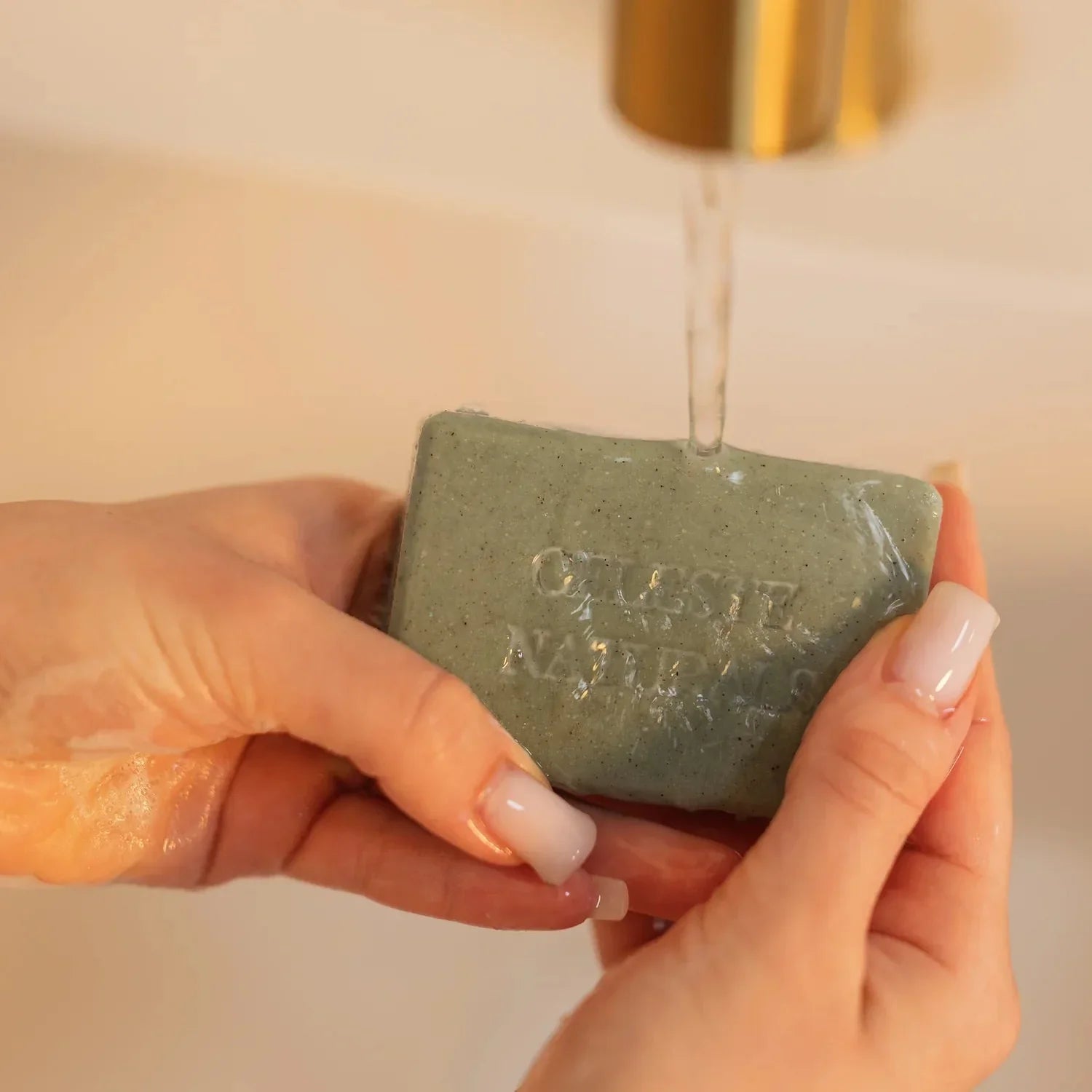
Most people using one of our bars daily report it lasting about 2.5 to 3 weeks with single-person use. Tallow-based bars tend to be harder than many vegetable oil soaps, so they hold up well in the shower, but exact mileage varies based on how the bar is cared for and how it's used. Keeping the bar on a draining soap dish between uses, rather than letting it sit in water, helps it last closer to the higher end of that range.
Is tallow soap good for sensitive or acne-prone skin?
Tallow soap is generally well suited to dry, sensitive, or easily irritated skin, since it cleans without stripping away natural moisture. Results on acne-prone skin vary from person to person, so it's worth patch testing a small area first.
Is tallow soap good for eczema?
Many people with eczema or very dry skin find tallow soap gentler than harsh detergent-based bars, since it cleans without stripping natural oils the way many commercial soaps do. Everyone's skin is different, so patch test a small area first and check with a dermatologist if you have a diagnosed skin condition.
How should I store tallow soap?
Keep the bar somewhere it can dry out fully between uses, like a soap dish with drainage holes or a soap saver bag. Letting water pool on the bar softens it faster and shortens its life.