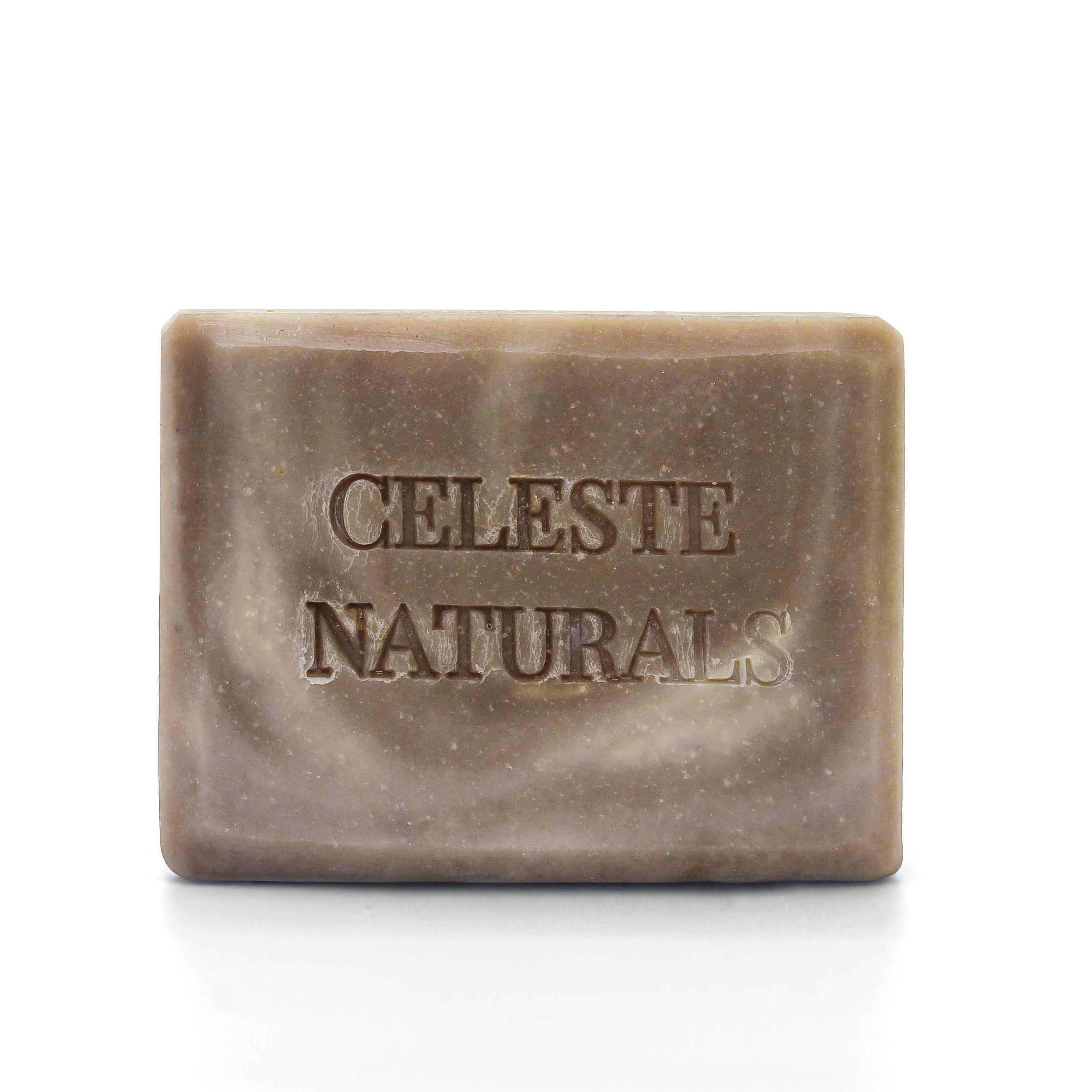
Why Goat Milk Soap?
Goat milk soap has become a favorite for people with sensitive or dry skin, and it's not just a trend. There's real substance behind it. Here's what makes it different from a standard bar of soap.
Why Goat Milk Became a Go-To for Sensitive Skin
Goat milk has been used in soap and skincare for a long time, valued for making a milder bar than one made purely from oils and lye. Its natural fats and nutrients help offset some of the drying effect that comes from the saponification process, which is part of why goat milk bars have stuck around as a go-to for people with dry or reactive skin, long after fancier synthetic formulas came and went.
Goat Milk Soap Ingredients: What's Really in the Bar
Every one of our goat milk bars starts from the same nourishing base:
- Goat milk replaces some or all of the water in the recipe, adding fatty acids and nutrients that help the bar moisturize as it cleans.
- Olive oil is mild and conditioning, helping the bar clean without over-drying.
- Coconut oil brings a big, bubbly lather and helps the bar clean thoroughly.
- Shea butter and avocado oil add richness and a soft, velvety finish.
Rice bran oil, castor oil, and hemp seed oil round out the recipe, each adding its own bit of conditioning and lather. From there, each bar gets its own add-ins, like colloidal oats, honey, or clay, along with a gentle, non-toxic fragrance to round out the scent.
Where Our Goat Milk Comes From
We source our goat milk from a local farm rather than relying on a powdered substitute. Using real, fresh milk means the fatty acids and nutrients that make goat milk soap worth using in the first place are still intact when they go into the bar.
How We Make It
We use a cold-process method with that fresh milk, which keeps the mixture from overheating and scorching the milk sugars — the same thing that would otherwise dull the nutrients and turn a bar dark and uneven. It takes more care than working with powdered milk or a melt-and-pour base, but it's what keeps the milk's benefits intact instead of cooking them out.
1. Naturally Rich in Fat and Nutrients
Goat milk is naturally high in fatty acids, including caprylic acid, along with vitamins A, B6, B12, C, D, and E and minerals like zinc and selenium. Those fatty acids help replace moisture that regular soap can strip away, which is why goat milk soap tends to feel creamier and less drying on the skin, while the vitamin and mineral content gives skin a bit more to work with during its own repair process.
2. Contains Lactic Acid
Goat milk contains lactic acid, a gentle alpha-hydroxy acid that helps soften and gently exfoliate skin without the irritation you'd get from harsher exfoliants.
3. Gentle Enough for Sensitive Skin
Because it's so moisturizing, goat milk soap is often recommended for sensitive or easily irritated skin. As with any new skincare product, it's a good idea to patch test first.
4. A Creamy, Gentle Lather
Goat milk creates a soft, creamy lather that feels less stripping than detergent-heavy commercial soaps.
5. Simple, Recognizable Ingredients
Handmade goat milk soap is made the traditional way, through saponification rather than with added synthetic detergents, so the bulk of the bar is real oils, butters, and goat milk rather than fillers. Ours are lightly finished with a gentle, non-toxic fragrance and natural mineral colorants, so the ingredient list stays short and recognizable.
Its pH Works With Your Skin, Not Against It
Goat milk has a pH that sits close to your skin's own natural pH, in the mildly acidic range. A lot of soap, especially bars made with just oils and lye, comes out more alkaline, which can disrupt your skin's acid mantle — the thin protective layer that keeps moisture in and irritants out. Goat milk soap works with that balance instead of fighting it, which is part of why it tends to feel gentler than a standard bar.
It Supports Your Skin's Microbiome, Too
Your skin hosts its own community of beneficial bacteria, and keeping that microbiome intact is part of what keeps skin calm and resilient rather than reactive. Harsh, stripping soap can throw that balance off. Goat milk soap is gentler on that ecosystem, which is one reason people dealing with acne or eczema flare-ups often find it more forgiving than a heavily detergent-based wash.
Why It Beats a Standard Bar of Soap
Most drugstore soap relies on sulfates for its lather, and sulfates clean by stripping oil off your skin along with the dirt, which is what leaves skin feeling tight afterward. Goat milk soap cleans differently: it lifts away dirt while its natural fats and skin-friendly pH leave your skin's moisture and protective barrier largely intact, without a synthetic fragrance load or harsh detergents.
Our Favorite Goat Milk Bars
Try our Lavender + Oat Goat Milk Soap for a calming, skin-soothing bar, or Oat + Milk + Honey Goat Milk Soap for an extra-gentle, creamy option. See the full lineup in our goat's milk soap collection.
Frequently Asked Questions About Goat Milk Soap
Is goat milk soap vegan?
No. Goat milk soap contains dairy, so it isn't a vegan product.
What are the benefits of goat milk soap?
Goat milk soap is prized for being extra moisturizing, thanks to the natural fatty acids, vitamins, and lactic acid in goat milk, which help the bar clean without stripping skin the way detergent-heavy bars can. Its pH is also close to your skin's own, so it's gentler on your skin's protective barrier and microbiome than a standard alkaline bar. It produces a creamy, gentle lather and works well for dry or sensitive skin, and ours is made with a short, recognizable ingredient list rather than synthetic fillers.
Is goat milk soap good for eczema or very sensitive skin?
Goat milk soap is generally well suited to dry, sensitive, or easily irritated skin, since the fatty acids and lactic acid in goat milk help the bar clean without stripping natural moisture. Everyone's skin reacts differently, so it's worth patch testing a small area first, especially if you deal with eczema or another skin condition.
Are there any downsides to goat milk soap?
The main trade-offs are shelf life and lather style. Because it contains real milk fat, goat milk soap can soften faster than a purely oil-based bar if it's left sitting in water, and its lather tends to be creamier rather than as sudsy as detergent-based body washes. It's also not vegan, since it contains dairy. For most people with normal to dry skin, the moisturizing benefits outweigh these trade-offs.
Can I use goat milk soap on my face?
Yes. Both Lavender + Oat and Oat + Milk + Honey are gentle enough for daily use on the face as well as the body, and their moisturizing base makes them a good option for dry or sensitive facial skin. As with any new product, patch test on a small area first.
Does goat milk soap have a scent?
Yes, both of our goat milk bars are lightly scented with a gentle, non-toxic fragrance: Lavender + Oat has a calming lavender scent, while Oat + Milk + Honey has a warm, honeyed aroma.
Does goat milk soap lighten skin?
Not exactly. Goat milk soap isn't formulated as a skin-lightening product. What it can do is gently exfoliate thanks to the lactic acid naturally present in goat milk, which may leave skin looking a bit brighter simply by clearing away built-up dead skin, not by changing your skin's natural pigment.
How long does a bar of goat milk soap last?
Most people using one of our bars daily report it lasting about 2.5 to 3 weeks with single-person use. Exact mileage varies based on how the bar is cared for and the person using it. Keeping it on a draining soap dish between uses, rather than letting it sit in water, helps it last closer to the higher end of that range.
How should I store goat milk soap?
Keep the bar somewhere it can dry out fully between uses, like a soap dish with drainage holes or a soap saver bag. Letting water pool on the bar softens it faster and shortens its life.